
Choosing Colors and Materials for Egypt's Climate
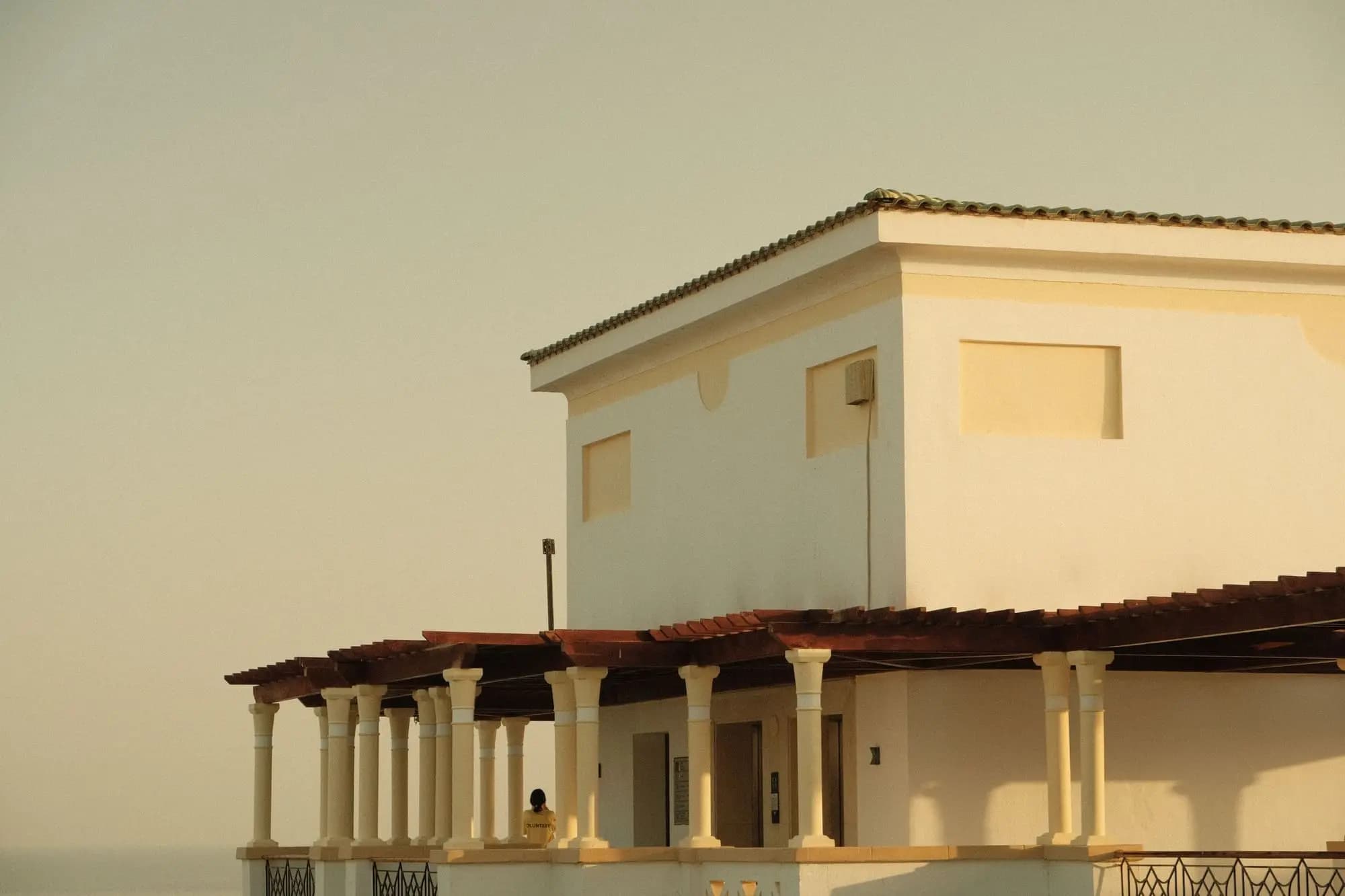
Key takeaways: Egypt's climate is generally hot and arid, with intense sun and dust exposure the main factors inland — around El Sadat City, Cairo, and Giza. Coastal humidity is a real additional factor for projects in Alexandria and along the North Coast, but it isn't a nationwide condition. Natural stone, treated wood, and UV-stable fabrics perform reliably in either setting; untreated wood veneers and certain fabric dyes fade or warp faster under sustained sun and dust exposure.
Colors: what actually fades and what doesn't
Deep, saturated colors — especially on fabric and painted surfaces exposed to direct sun through large windows — fade noticeably faster under Egypt's intense inland sun than they would in a milder climate. Warm neutrals and earth tones are popular here partly for aesthetic reasons and partly because they hide UV fading far better than bold colors do. If you want a bolder accent color, put it somewhere shielded from direct sun rather than on a west-facing wall.
Materials that hold up
- Natural stone (marble, travertine, sandstone) handles heat, dust, and humidity well and is a safe long-term choice for flooring and feature walls
- Treated hardwood and quality engineered wood perform reliably indoors with normal AC use; solid untreated wood is more prone to expansion and contraction with humidity or temperature swings
- UV-stable outdoor fabrics, even for interior pieces near large windows, resist fading far longer than standard upholstery fabric
- Powder-coated metal for fixtures and hardware resists general wear well; for coastal Alexandria projects specifically, it also resists the corrosion that salt air accelerates in untreated metal
Materials to be cautious with
Untreated wood veneers near large west-facing windows are the most common material failure we see — they warp or discolor within one to two years of sustained sun and dust exposure. Similarly, cheaper fabric dyes on statement furniture pieces often fade unevenly, which looks worse than uniform fading would. Neither is a reason to avoid wood or fabric altogether — it's a reason to spec the right grade of each for your specific rooms and their sun exposure.
A practical rule for material selection
Before finalizing a material for a room, check where the sun actually hits during the day — not just whether the room "gets light," but which surfaces receive several hours of direct exposure. That single check resolves most of the color and material decisions that otherwise go wrong after move-in.
See our interior design service for how we build material selection into every project, and our style comparison guide for how climate factors into overall style choice.
Studio Team
Studio design team